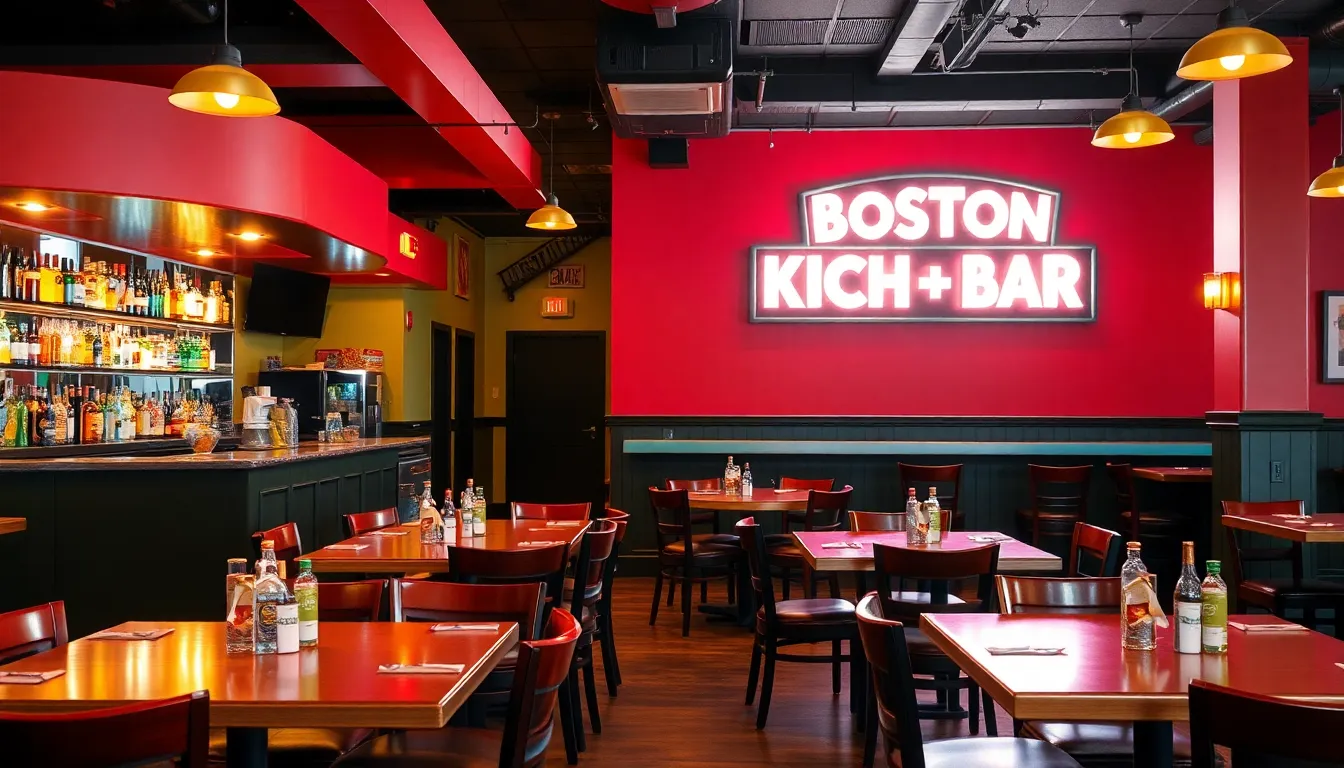
Guy Fieri’s Boston Kitchen + Bar was a vibrant hotspot, blending bold flavors with a lively atmosphere. Known for its unique take on classic American dishes, the restaurant quickly became a favorite among locals and tourists alike. However, recent news of its closure has left fans and food enthusiasts buzzing with curiosity.
As the culinary scene in Boston evolves, the shuttering of this beloved establishment raises questions about the future of celebrity-driven dining experiences. What led to the closure? And what does it mean for the city’s gastronomic landscape? Dive into the details surrounding this unexpected turn of events and explore the impact it has on both Fieri’s brand and the local community.
Background of Guy Fieri Boston Kitchen + Bar
Guy Fieri’s Boston Kitchen + Bar opened in 2016, becoming a hub for fans of Fieri’s bold culinary style. The restaurant featured a wide range of dishes, emphasizing American comfort food with a creative twist. Popular menu items included Flavortown nachos, cheeseburgers, and various barbecue options, satisfying diverse palates.
The vibrant decor and lively atmosphere attracted a mix of locals and tourists, bolstering Fieri’s brand presence in the Boston dining scene. Its strategic location near popular attractions further enhanced its appeal, making it a favored dining destination.
From its inception, Boston Kitchen + Bar generated excitement through dynamic events and special promotions. Fieri’s celebrity status contributed to this allure, drawing media attention and helping to build a loyal customer base. Despite its initial success, the restaurant faced challenges in maintaining consistent revenue amidst a competitive local market.
Reasons for Closure
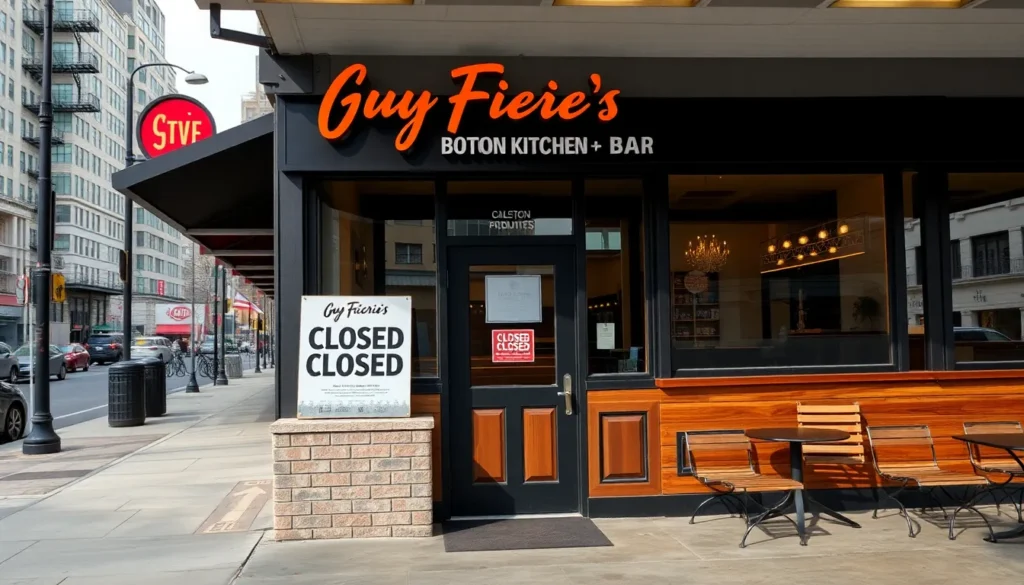
Multiple factors contributed to the closure of Guy Fieri’s Boston Kitchen + Bar, affecting its ability to sustain operations.
Financial Challenges
Financial challenges significantly impacted the restaurant’s viability. Although it launched successfully, fluctuations in revenue posed ongoing difficulties. Competitive pricing and rising operational costs further strained profit margins. Additionally, reliance on foot traffic in a bustling area failed to translate into steady profits, leading to insufficient earnings to cover expenses.
Impact of COVID-19
The COVID-19 pandemic had a profound effect on the restaurant’s operations. Lockdowns and restrictions severely limited dine-in capacity, resulting in substantial revenue losses. Health guidelines shifted consumer behavior, with many patrons opting for takeout or avoiding crowded venues. These changes disrupted the restaurant’s business model, which relied heavily on a vibrant atmosphere and in-person experiences, ultimately contributing to its closure.
Community Response
The closure of Guy Fieri’s Boston Kitchen + Bar elicited strong reactions from fans and the local community. Enthusiasts of Fieri’s culinary style expressed disappointment as many felt the restaurant was a vibrant addition to the city’s dining landscape.
Fan Reactions
Fans showcased their loyalty through social media posts, sharing memories and photos from their visits. Comments reflected sorrow over the loss of Flavortown favorites, such as the Flavortown nachos and signature cheeseburgers. Many described the restaurant as an essential part of their dining experiences in Boston. Supporters organized impromptu gatherings, sharing fond anecdotes and voicing hopes for Fieri’s return to Boston.
Local Business Impact
The closure impacts nearby establishments, as Fieri’s restaurant contributed to local traffic and tourism. Restaurants and shops in the vicinity directly benefited from the influx of visitors attracted to the vibrant atmosphere and marketing efforts of Fieri’s brand. Business owners expressed concerns about decreased foot traffic and potential revenue losses, with some highlighting the need for creative strategies to adapt to the changing landscape. The loss of a prominent celebrity-backed venue raises questions about Boston’s ability to maintain its appeal as a culinary destination, especially amidst growing competition.
Legacy of Guy Fieri Boston Kitchen + Bar
Guy Fieri’s Boston Kitchen + Bar left a notable imprint on the local dining scene through its distinctive offerings and vibrant atmosphere. The restaurant fostered a unique culture surrounding its brand while celebrating bold flavors.
Notable Menu Items
Notable menu items included Flavortown nachos, loaded with cheese and jalapeños, and signature cheeseburgers, renowned for their juicy patties and unique toppings. Diners could enjoy barbecue specialties, including smoked brisket and ribs, that resonated with Fieri’s well-known culinary style. The menu also featured seasonal dishes that showcased local ingredients, enhancing the appeal for both residents and tourists. Signature cocktails complemented the menu, drawing attention for their creative combinations and playful names.
Cultural Significance
Culturally, the restaurant symbolized a blend of gourmet comfort food and the casual dining experience, making it accessible to a wide audience. It served as a gathering place for food enthusiasts and fans of Guy Fieri, contributing to a vibrant community atmosphere. Events and promotions often celebrated local culture, integrating surrounding neighborhoods into the restaurant’s identity. The closure of the establishment raises questions about the future of celebrity-driven dining experiences in Boston and the potential void left in the local culinary landscape.
The closure of Guy Fieri’s Boston Kitchen + Bar marks a significant moment in the city’s culinary landscape. Despite its initial popularity and vibrant atmosphere, the restaurant struggled to adapt to changing market conditions and consumer preferences. Loyal fans will undoubtedly miss the unique offerings that made the venue a beloved destination.
As the local community reflects on the memories created within its walls, questions arise about the future of similar celebrity-backed dining experiences in Boston. The loss of this establishment not only impacts its devoted patrons but also raises concerns for nearby businesses that thrived on the foot traffic it generated. The evolving dining scene in Boston will need to navigate these challenges to maintain its status as a culinary hub.