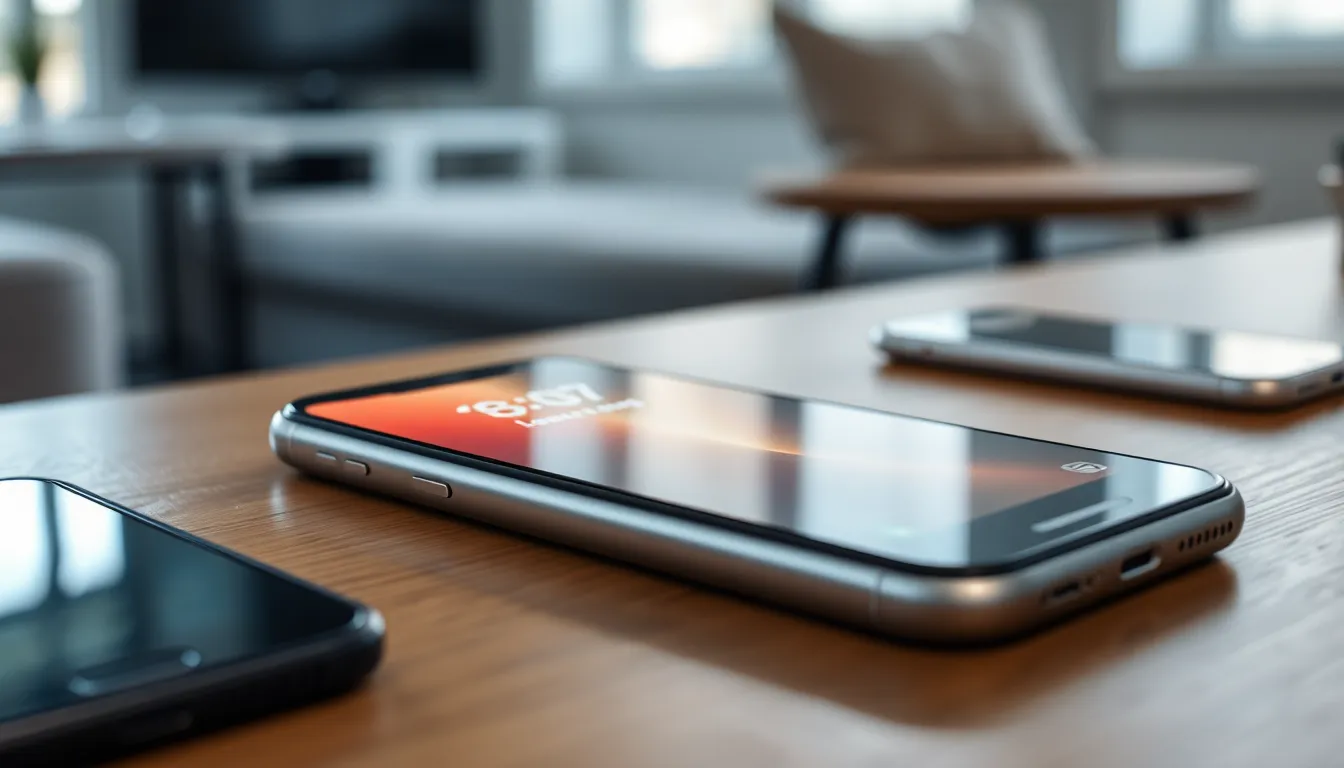
The iPhone 6, a beloved classic, has been a trusty sidekick for many. But as technology races ahead, questions arise: can this vintage gem keep up with the 5G revolution? Picture it: your iPhone 6, still sporting that sleek design, trying to navigate the lightning-fast world of 5G like a tortoise in a race with hares. Spoiler alert: it’s not going to win.
While 5G promises blazing speeds and seamless connectivity, the iPhone 6 wasn’t built for that kind of action. It’s like bringing a butter knife to a sword fight. If you’re still rocking this device, it might be time to consider an upgrade. Dive into the details and find out why your iPhone 6 might be better off sipping coffee at the 4G café instead of chasing 5G dreams.
Overview of iPhone 6 Specifications
The iPhone 6, released in September 2014, presents various specifications that highlight its limitations in the current technology landscape. It lacks 5G compatibility, which significantly impacts its performance and usability.
Connectivity Features
Wi-Fi connectivity includes standards up to 802.11ac. Bluetooth version 4.0 allows for basic pairing with accessories. Additionally, the device features NFC technology, but this only supports Apple Pay. The absence of modern features like mobile hotspot capabilities limits its versatility in today’s mobile environment.
Network Compatibility
The iPhone 6 operates on LTE networks but cannot utilize 5G network technologies. It supports various bands, with compatibility primarily focused on 4G LTE. Specific bands, such as Bands 1, 3, 5, and 7, allow for decent cellular service but lack the speed and efficiency provided by newer devices on 5G networks. Users may find themselves limited in areas with advanced network infrastructure.
Understanding 5G Technology
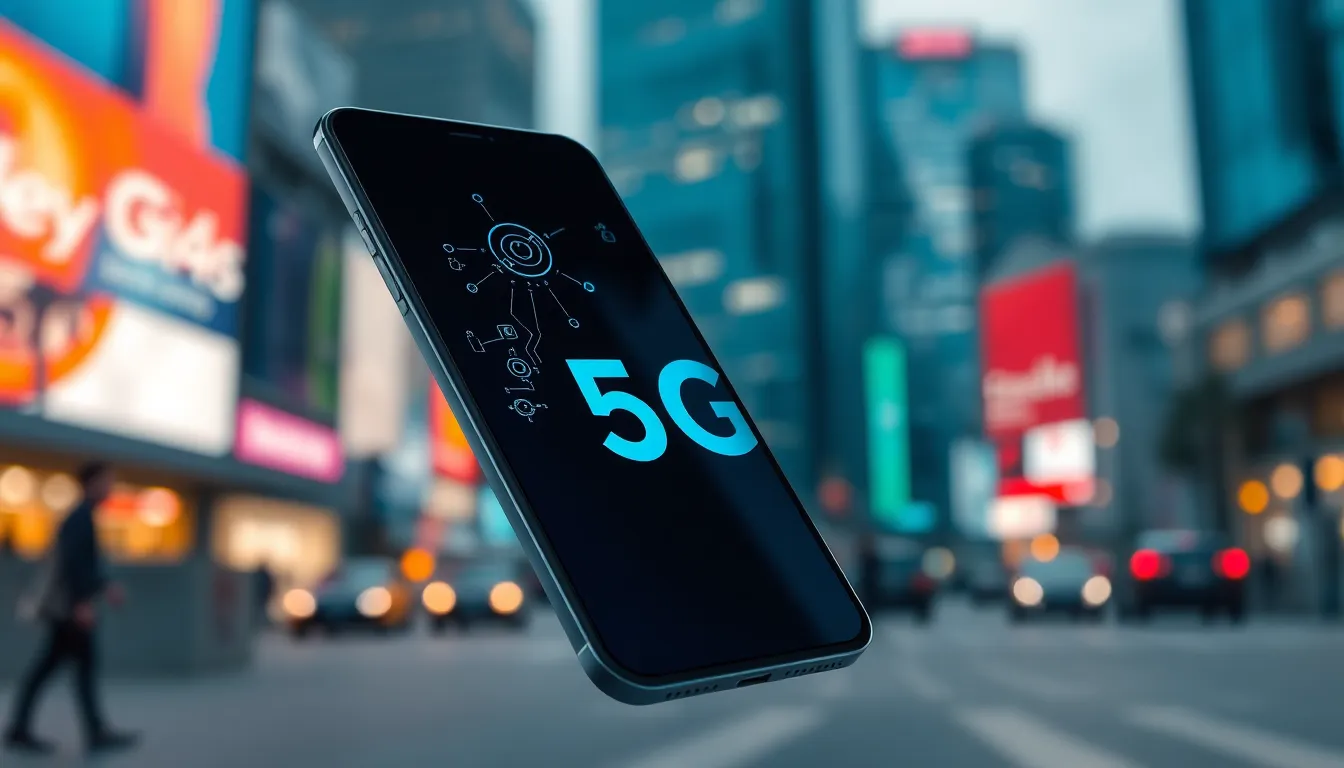
5G technology represents the fifth generation of mobile networks, promising faster speeds and reduced latency. Devices designed for 5G connectivity leverage advanced network infrastructure to enhance user experience.
What Is 5G?
5G stands for fifth generation wireless technology. This technology delivers ultra-fast internet speeds, often exceeding 1 Gbps. Latencies in 5G networks are significantly lower, sometimes reaching as low as 1 millisecond. Unlike previous generations, 5G often utilizes higher frequency bands, specifically millimeter waves, allowing for greater data transfer rates. The introduction of 5G enables support for a massive number of devices simultaneously, making it ideal for densely populated areas.
Benefits of 5G Connectivity
5G connectivity provides several notable benefits. Download speeds significantly increase, providing the ability to download large files in seconds. Enhanced network reliability supports smoother video streaming and online gaming experiences. Additionally, 5G enables advanced applications like augmented reality and the Internet of Things, supporting smart devices and connected services. Businesses experience improved efficiency as 5G facilitates real-time data sharing and automation. Overall, these advantages highlight the importance of 5G in today’s digital landscape, impacting both personal and professional usage.
Is the iPhone 6 5G Compatible?
The iPhone 6 lacks compatibility with 5G networks. This device operates solely on 4G LTE technology, which limits connectivity in high-speed environments.
Technical Limitations
Technical specifications reveal significant limitations. The iPhone 6 supports Wi-Fi up to 802.11ac, Bluetooth 4.0, and does not feature necessary hardware for 5G connectivity. Its chipset is not designed for the advanced capabilities of 5G. Supporting only specific LTE bands, this model cannot harness the faster speeds and efficient data transfer offered by modern networks. The absence of mobile hotspot functionality further restricts potential use cases for users needing more robust internet solutions.
Expert Opinions
Experts emphasize the drawbacks of using the iPhone 6 in today’s network landscape. According to industry analysts, reliance on 4G LTE limits performance for streaming, gaming, and multitasking. They recommend upgrading to devices equipped with 5G technology for optimal connectivity. Enhanced applications like augmented reality rely on fast, reliable connections that the iPhone 6 cannot provide. Users seeking future-proof technology must consider newer models that comply with today’s communication standards.
Alternative Options
Upgrading from the iPhone 6 opens a world of modern connectivity options. Users seeking better performance and 5G compatibility can consider several alternatives that enhance mobile experience.
Upgrade Recommendations
Consider newer iPhone models like the iPhone SE (2022), which offers 5G support in a compact design. The iPhone 12 and 13 series deliver excellent performance, including improved cameras and battery life, alongside full 5G capabilities. Android users may find value in options such as the Google Pixel 6 or Samsung Galaxy S21, both known for their quality performance and support for 5G networks. These devices not only offer enhanced speeds but also come with updated features that provide a significant upgrade over the iPhone 6.
Budget Considerations
Budget constraints often influence smartphone choices. Fortunately, several affordable models provide 5G support without compromising quality. The iPhone SE (2022) comes at a lower price point while still delivering modern features. Similarly, devices like the Samsung Galaxy A32 5G and OnePlus Nord offer solid performance and connectivity at budget-friendly rates. Investing in a smartphone with 5G connectivity ensures longevity, aligning with evolving network standards. Spending wisely on a capable device today means staying connected efficiently for years to come.
The iPhone 6 falls short in the era of 5G technology. With its reliance on 4G LTE and outdated specifications, it can’t meet the demands of modern networks. Users looking for fast and reliable connectivity will find themselves limited with this device.
Upgrading to a newer model not only enhances performance but also future-proofs one’s investment in technology. Whether opting for a recent iPhone or a competitive Android device, making the switch ensures access to the benefits of 5G. Staying connected in today’s fast-paced digital world requires a device that can keep up with evolving standards.