
In a world where smartphones reign supreme, mobile apps have become the lifeblood of our daily routines. From ordering takeout to tracking workouts, these little icons on our screens wield incredible power. But navigating the app jungle can feel like searching for a needle in a haystack—if that haystack was also on fire and full of distractions.
Fear not! This mobile apps guide is here to turn you into an app aficionado faster than you can say “download.” Whether you’re a tech newbie or a seasoned pro, you’ll discover tips and tricks to make the most of your mobile experience. So buckle up and get ready to unlock the full potential of your device—because who wouldn’t want a personal assistant that fits in their pocket?
Overview of Mobile Apps Guide
Mobile apps serve essential functions in everyday routines. They support tasks like ordering food, managing schedules, and tracking fitness goals. The vast selection of apps, exceeding 2.87 million on the Google Play Store, creates challenges for users trying to find the best options. The guide addresses this complexity by offering insights into app categories, features, and usage tips.
Focus remains on maximizing mobile app potential. Readers will discover ways to identify high-quality apps that align with their needs. Each app discussed includes features that enhance user experience, such as intuitive design and efficient performance. Popular categories include productivity, health, entertainment, and finance.
This guide simplifies the selection process, providing criteria for evaluating apps. Criteria include user ratings, functionality, and security features. Users often overlook the importance of these factors, which can significantly affect app performance. Highlighting these elements ensures readers select trustworthy and efficient apps.
Mobile apps improve connectivity and convenience. They function as personal assistants, streamlining various tasks while fitting into users’ lifestyles. Prioritizing app quality and relevance ultimately enhances daily experiences. This guide empowers readers to navigate the expansive app landscape confidently. Key takeaways focus on understanding app utility, assessing features, and making informed decisions to enjoy the full benefits of mobile technology.
Types of Mobile Apps
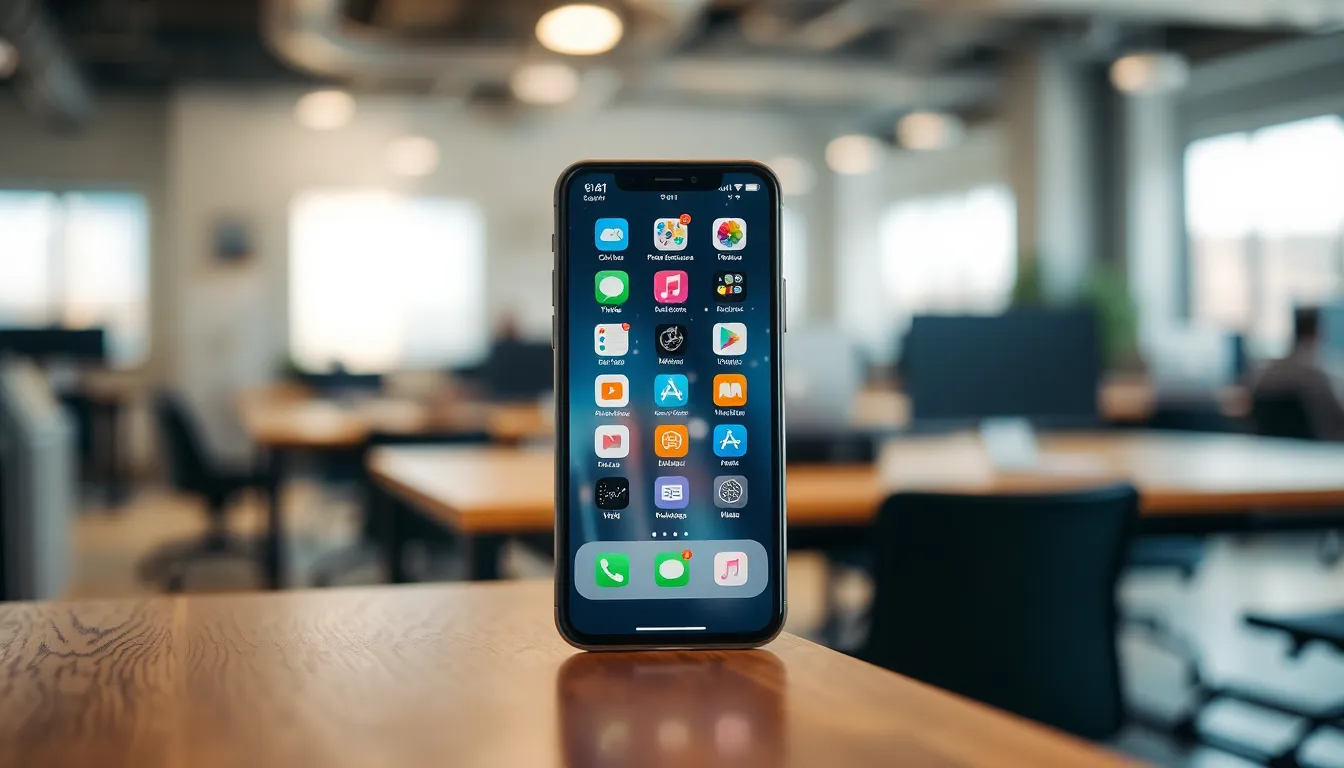
Mobile apps come in various types, each catering to specific user needs. Understanding these categories helps users select apps that best meet their requirements.
Native Apps
Native apps are built specifically for one platform, such as iOS or Android. These applications utilize the device’s features and functionality, providing smooth performance and an optimal user experience. They rely on programming languages unique to their respective platforms, like Swift for iOS and Java or Kotlin for Android. Users often enjoy enhanced speed, better security, and access to device hardware, such as the camera and GPS. Popular examples include social media platforms and gaming apps, known for their rich performance and seamless operation.
Hybrid Apps
Hybrid apps combine elements of both native and web apps, offering flexibility and accessibility. Developers create these applications using web technologies like HTML, CSS, and JavaScript while wrapping them in a native shell. This design allows hybrid apps to operate on multiple platforms, reducing development time and costs. Users typically experience cross-platform functionality alongside offline access and device integration. Many major brands leverage hybrid apps for their cost-effectiveness, enhancing their reach while maintaining high-quality user experiences.
Web Apps
Web apps function through web browsers, eliminating the need for installation on devices. These applications are built using standard web technologies, making them accessible on any device with internet connectivity. Users generally interact with web apps through URLs, enjoying features such as easy updates and device compatibility. While they may not perform as swiftly as native apps, these apps often save storage space and provide simple, clean interfaces. Examples include online banking platforms and e-commerce sites that prioritize user accessibility and convenience.
Choosing the Right Mobile Apps
Selecting the right mobile apps involves understanding individual preferences and requirements. Tailoring choices ensures that users find apps that fit seamlessly into their lives.
Assessing Your Needs
Identifying specific needs guides the app selection process. Consideration of functionalities greatly impacts choices. For example, productivity apps focus on task management and scheduling, while fitness apps track health activities. Evaluating daily activities helps narrow down preferences. Users should ask themselves what features are essential and what tasks they want to simplify. This thoughtful approach leads to discovering apps that truly enhance user experience. Researching popular apps in desired categories reveals insights into user satisfaction and functionality.
User Experience Considerations
User experience plays a crucial role in app selection. Intuitive designs keep users engaged and satisfied. Personalization features can greatly enhance usability by catering to individual preferences. Look for apps that offer a seamless interface and easy navigation. Performance is another vital factor; apps must operate smoothly without glitches. Ensuring the app receives regular updates maintains optimal performance and security. User reviews offer further insights into app reliability and satisfaction. Reading about others’ experiences helps inform decisions and filters out subpar options.
Popular Mobile Apps
Mobile apps significantly enhance daily activities, making them indispensable. Here’s a closer look at some popular categories.
Productivity Apps
Productivity apps streamline tasks and improve efficiency. Applications like Todoist and Trello allow users to manage projects and to-do lists effectively. Utilizing features like reminders and collaboration tools elevates organization. Google Drive and Microsoft Office enable seamless document sharing and editing in real time. Users benefit from cloud storage options, which ensure access from any device. Choosing productivity apps often depends on individual needs, such as time management or team collaboration.
Social Media Apps
Social media apps connect people and facilitate communication. Platforms like Facebook, Twitter, and Instagram dominate user engagement. Each offers unique features like photo sharing, messaging, and real-time updates. Users share experiences and connect with friends and family worldwide. Privacy settings and content controls enhance user comfort. Understanding engagement trends helps users navigate these platforms effectively, fostering meaningful interactions in an online space.
Entertainment Apps
Entertainment apps offer a diverse array of content for leisure and enjoyment. Streaming services like Netflix and Spotify provide extensive libraries of movies, shows, and music. Engaging functionalities such as personalized recommendations enhance the viewing experience. Game apps like Candy Crush and Among Us entertain users with interactive gameplay. For book lovers, Kindle and Audible deliver vast selections of literature in digital format. These apps cater to interests, ensuring users stay entertained anytime.
Tips for Using Mobile Apps Effectively
Mobile apps enhance daily activities, but using them effectively can optimize their benefits. Here are some practical tips.
Managing Notifications
Managing notifications keeps distractions at bay. Users can customize notifications for each app, ensuring they only receive alerts that matter. Visual or sound distractions can interrupt focus, so prioritizing important notifications helps maintain concentration. Turning off unnecessary alerts reduces overwhelm and clutter on devices. Regularly reviewing notification preferences encourages an organized approach to app usage. Setting specific times for checking notifications can also increase productivity and reduce anxiety.
Organizing Your Home Screen
Organizing your home screen enhances accessibility. Users should categorize apps into folders for easier navigation, grouping similar functionalities like productivity or entertainment. Positioning frequently used apps within reach ensures quick access, simplifying daily tasks. Customizing app icons and backgrounds creates a personal touch while reinforcing organization. Keeping the home screen uncluttered improves visual appeal and usability. Regularly reassessing app placement based on usage patterns can further optimize the app experience.
Embracing the world of mobile apps can transform daily routines and enhance productivity. By understanding app categories and assessing individual needs, users can make informed choices that align with their lifestyles.
Prioritizing app quality and user experience ensures that each selection adds value. With the right tools at their fingertips, users can navigate the vast app landscape confidently.
By implementing practical tips for effective usage, individuals can maximize their mobile devices’ potential. This guide empowers users to harness technology as a reliable companion in their everyday lives.